

OpenAI’s GPT-5.6 is now the preferred model for Microsoft 365 Copilot, highlighting how AI efficiency is becoming a critical competitive advantage.
OpenAI’s GPT-5.6 is now the preferred model for Microsoft 365 Copilot, highlighting how AI efficiency is becoming a critical competitive advantage.

Certification paths combined with AI platform-wide bet on governance steer customers to adopt existing frameworks and avoid creating technical debt.

Users can securely connect information from Apple Health and supported medical records for detailed personal medical insights and reduced need to upload data or explain details.

Microsoft says AI sovereignty is about maintaining national control while embracing the world’s best AI technologies, rather than isolating countries from global innovation.

Microsoft’s latest education findings reveal that AI access is no longer the hurdle—effective implementation and structured training are.

Fabric Apps automatically build a real database, working API, and authentication through existing Microsoft accounts. Plus, users can tap into their choice of AI coding tools.

Ideas on how to differentiate partners’ services: they can tap AI to help manufacturers reduce quoting delays or improve project reporting for professional services clients.

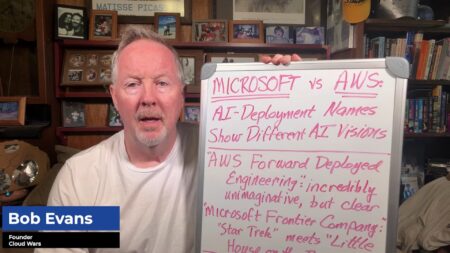
The AI Deployment Wars are expanding beyond technology into branding. Microsoft’s ambitious Frontier Company contrasts sharply with AWS’s practical Forward Deployed Engineering, raising questions about which message resonates with enterprise executives.

The simultaneous maturation of skill, governance, and pricing mirrors the evolution of cloud infrastructure; no major rebuild is required for Microsoft customers.
Welcome to the Cloud Wars Agent and Copilot Minute — your daily cloud news and commentary show. Each episode provides…

The new AI Deployment Wars reveal that enterprise customers need more than technology: they need strategy, process modernization, secure integration, and change management.
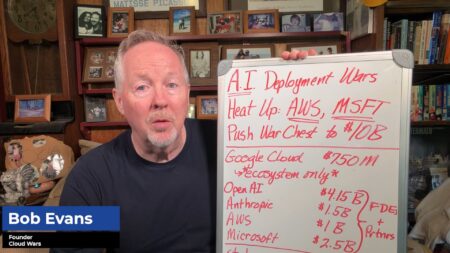
The world’s leading AI companies are investing nearly $10 billion to ensure AI deployments generate measurable business outcomes rather than simply impressive technology.

Everyday users can still benefit from Copilot and Claude, but heavy-duty, long-running AI tasks should be managed by experts who understand how to optimize AI usage.

Microsoft is accelerating its Frontier Firm vision with a new business unit that embeds 6,000 AI and industry experts directly with customers to build, optimize, and scale enterprise AI systems.

Microsoft’s new Frontier Company represents the company’s biggest step yet toward making its frontier firm vision a reality for enterprise customers.

Partners that can deliver governance, optimized workflows, and trust will help customers overcome growing concerns over control, AI profits, and regulatory factors.

Financial disclosures and spend controls for customers highlight a key point: AI winners apply cost models and strict governance; reactively managing costs is a losing proposition.

Big automaker delivers painful but useful lessons: AI can’t replace humans in roles that require complex human judgment. Plus, a fully baked plan is a baseline requirement for AI success.

Microsoft is shifting Copilot Cowork to usage-based pricing while exploring lower-cost AI models, signaling a strategy focused on performance, economics, and customer choice.

Addition to the company’s governance control plan eliminates a wide range of manual steps required to transition an agent from local usage to enterprise availability.