

Welcome to this AI Agent & Copilot Podcast, where we analyze the opportunities, impact, and outcomes that are possible with AI.
In this episode, AJ Ansari, COO of DWSi and Microsoft community leader, discusses pricing and licensing considerations for Copilot Studio, and AI agents. Ansari also runs the OnlyCopilotFans.com website.
Highlights
Licensing Questions and Misconceptions (00:31)
Ansari explains the most common questions about licensing costs and the initial confusion around it.; Copilot Studio licenses are required for using or consuming agents, not for building them. He discusses the mindset shift needed when building agents, focusing on consumption costs and noting that the cost of using agents often becomes a concern when they are ready to be deployed. He recommends focusing on AI agents supplementing human effort and the potential return on investment, considering employee time and new, productive tasks that become possible.
Copilot Credit and Licensing Models (06:02)
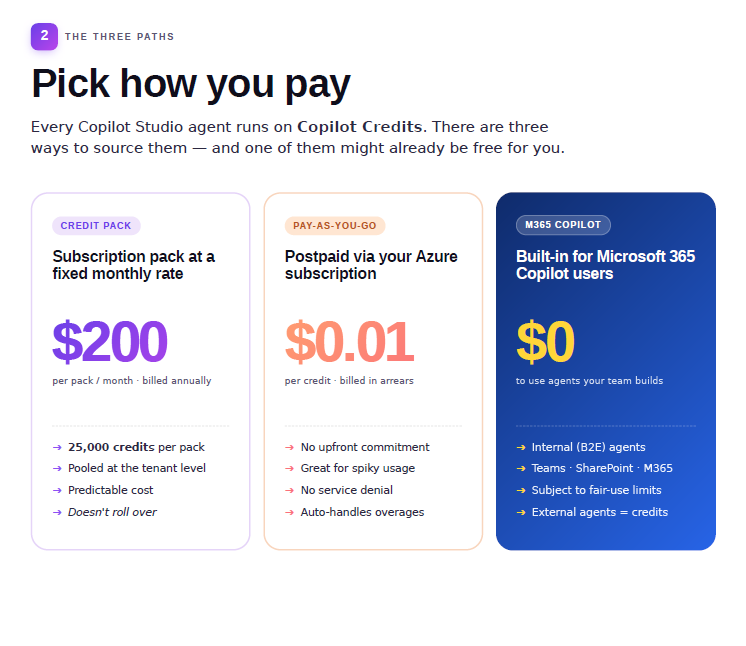
The initial “pack” model from Microsoft offered 25,000 Copilot credits for $200. Over time, Microsoft introduced a pay-as-you-go model for those exceeding 25,000 credits. One option for high-volume consumers is to buy larger packs. The third option is valuable for companies creating agents for employees and might who use Copilot through their Microsoft 365 license. Copilot licenses cost $20 to $30 per month, depending on the Office license type. Employees using Copilot through these licenses incur no additional costs.
Cost Management and Fair Use (09:20)
Ansari explains Microsoft’s Fair Use policy, but notes most businesses rarely encounter it, adding that items such as high-cost models or complex agent actions may incur additional credits. For most users, the cost of using Copilot is negligible in the licensed software model. Ansari says concerns about cost control and security are common among early adopters.
Most Common Agentic Actions (13:10)
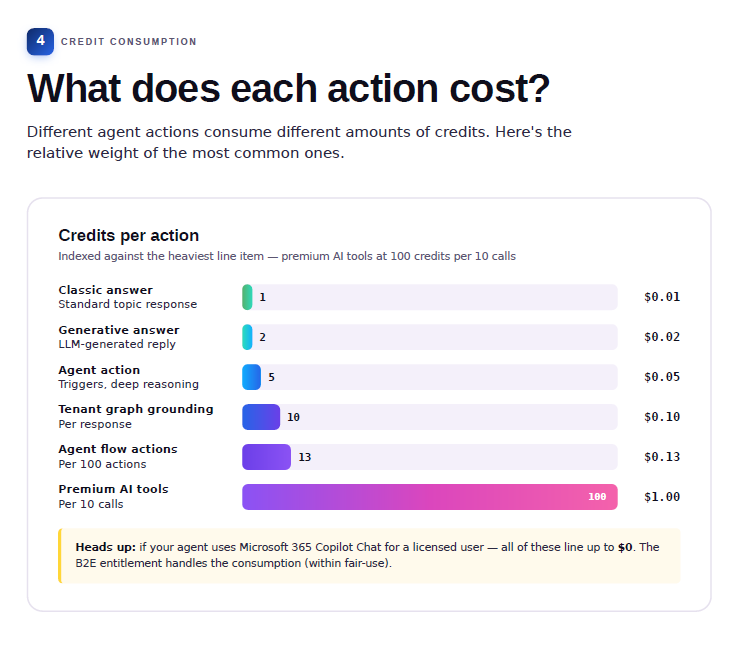
Addressing the most common actions customers take with their agents, Ansari explains the difference between classic and generative answers, with classic answers costing one credit and generative answers costing two credits. Additional costs can arise from actions that require connecting to data sources or using tools like Outlook. The stacking of credits for different actions can lead to higher costs, which he emphasizes is why businesses should opt for Copilot licenses.
Budgeting for Strategic, Tactical Projects (14:30)
Consider the difference between strategic initiatives (with allocated budgets) and tactical projects (without budgetary approval). Tactical projects can incur unexpected costs, leading to concerns about the tools’ value. A novelty agent that incurred unnecessary costs is one example illustrating the importance of strategic planning.
New Copilot Studio Community (16:20)
Ansari’s newly launched Copilot Studio Saturdays community has a goal is to provide free educational content and build a global network of Copilot enthusiasts. The community has a goal to support development of AI agents and provide resources for both new and experienced users.
The community’s website provides information on upcoming events and how to get involved. The goal is to create a supportive environment for learning and building AI agents.
More AI Insights:
For a 36-Hour Immersion into the FY28 Priorities that define Partner Success in the AI Era, join us at the AI Business Solutions Partner Executive Summit, running August 3-4, 2027, in Renton, WA. Register today.

Tom Smith
Analyst
Cloud Wars, Agent and Copilot

Related Posts