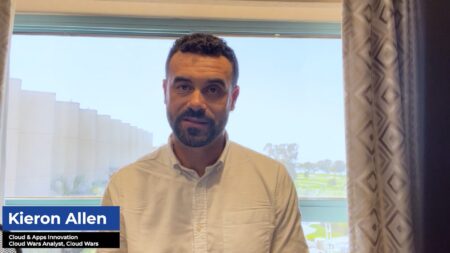
Day 2 of the AI Agent & Copilot Summit included a variety of session formats designed to demonstrate real-world applications of agentic AI.
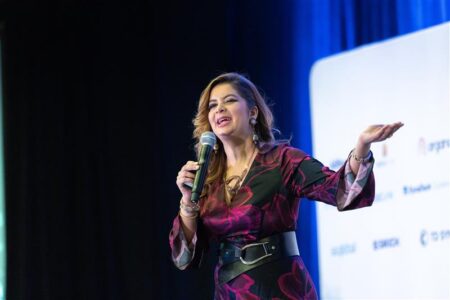
Dona Sarkar calls out the “tech bro”-driven AI hype machine and shares a blueprint to push AI into mainstream use cases that will deliver on the tech’s considerable promise.
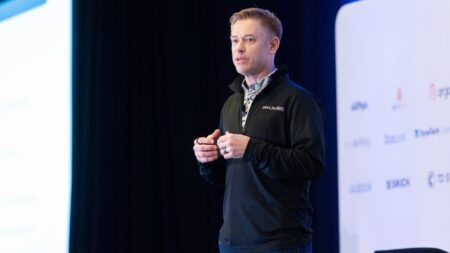
Explore how elevaite365 Test Agent enables no‑code automated regression testing for Dynamics 365 F/SCM, powered by Microsoft Copilot MCP.
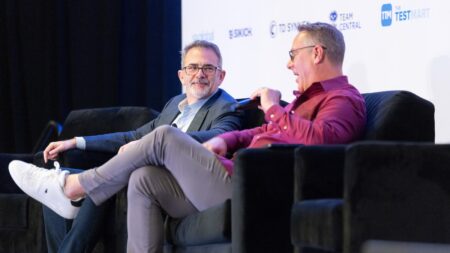
Learn from Paragon Films’ experience deploying AI in manufacturing, transforming speed, quality, and value within the industry.
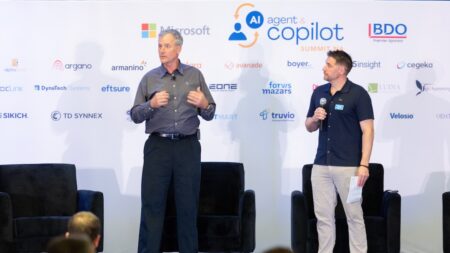
Gain insights from Altman Plants on how aligning processes, data, and AI at massive scale can reduce waste, increase sell‑through, and turn operational complexity into a competitive advantage.
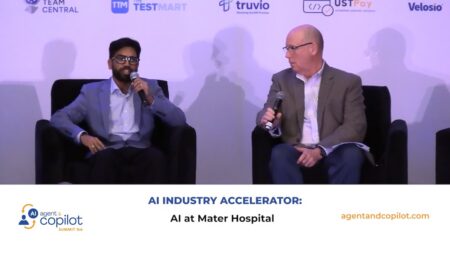
AI, automation, and agents are highlighted in this session through the example of Mater Hospital, as it transforms patient experience and healthcare operations at scale.

Learning Objectives Technology: Burn the Boats – We made a hard pivot: agents write all of our code now. No…
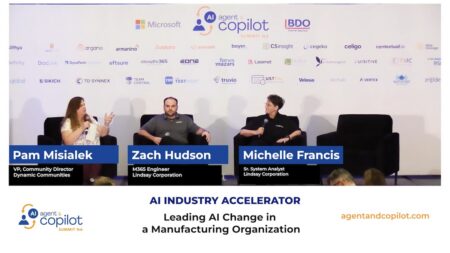
Dive into the why and how of decision-making for Copilot and AI adoption to modernize daily work in the manufacturing industry.
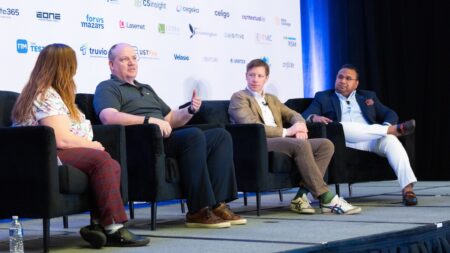
Learn from this panel about how to apply frameworks to make smarter, intentional decisions pertaining to AI adoption.
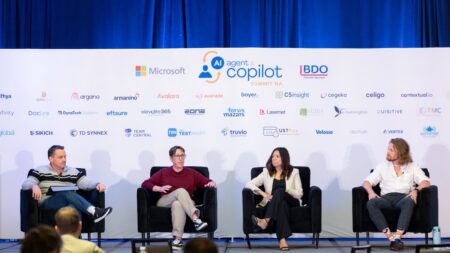
This panel explores practical strategies and real‑world examples for reskilling people with AI to build a future‑ready, human‑centered workforce.
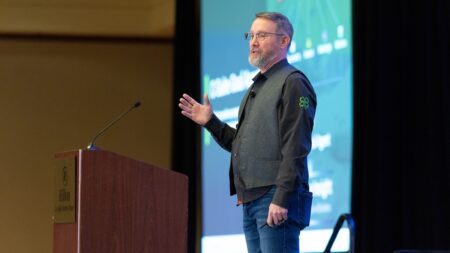
Learn about a breakthrough AI agent designed specifically to work with executives to strategically achieve annual goals and initiatives.
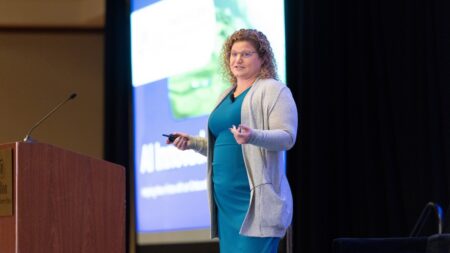
This Innovation Burst session breaks down core Copilot Studio components for building custom agents, designing conversation flows, and data integration strategies.
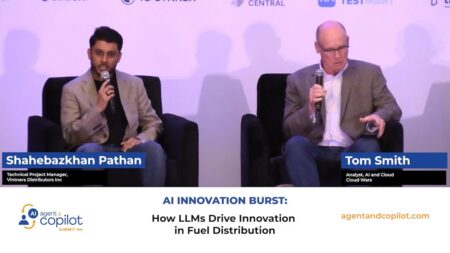
Explore recent AI updates to machine learning software to enhance core business functions managed by the Microsoft stack.
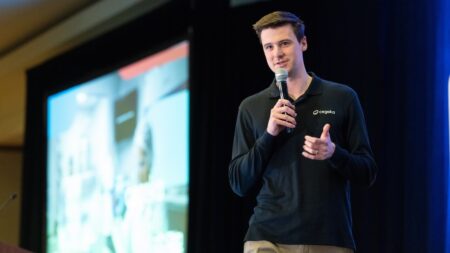
Learn how an agent can leverage quality insights and end-to-end traceability to move from reactive to productive recall management in this Innovation burst.
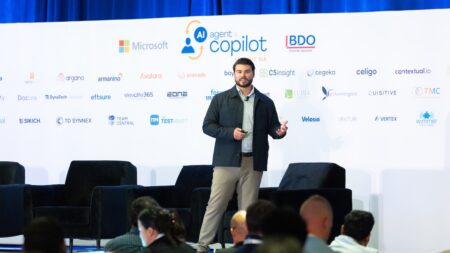
Apply the framework from this session to help identify, priority, and launch AI wins with minimal investment.
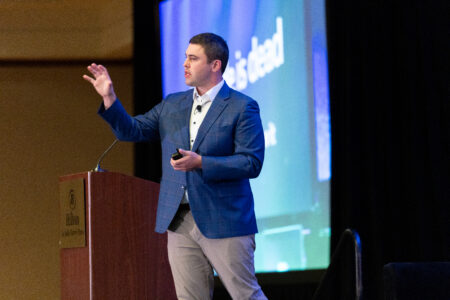
WorkIQ-powered Copilot Cowork orchestrates complex tasks to the point that agents could take over one-fifth of any team’s work in the near term, while hastening the end of app-driven workflows.
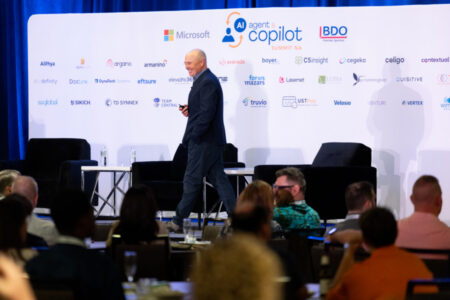
At AI Agent & Copilot Summit 2026 in Torrey Pines, Christopher Lochhead argues that as AI makes knowledge and execution free, the future belongs to creators who differentiate and build entirely new categories of work.
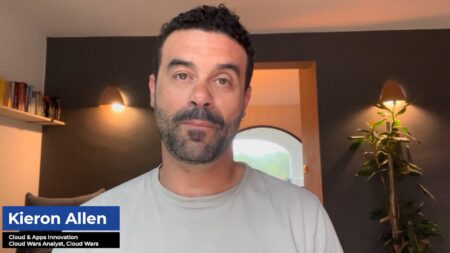
Microsoft is redefining enterprise productivity by positioning Copilot, agents, and unified AI platforms as the operational backbone of next-generation “frontier firms.”
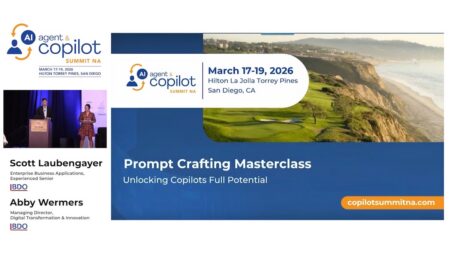
Walk through five practical prompting frameworks to enhance your collaborative dynamic with AI for business-ready outputs.
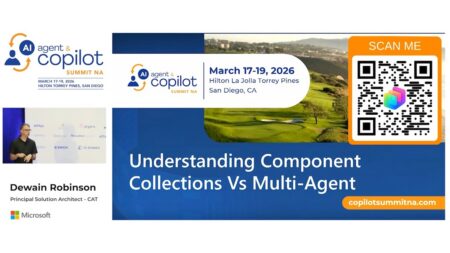
Gain a deeper understanding of the difference between child agents, connected agents, and component collections and when to use each.

Learn how readiness gaps, strong governance, and organizational trust determine successful Copilot and AI adoption in this session on responsible AI.
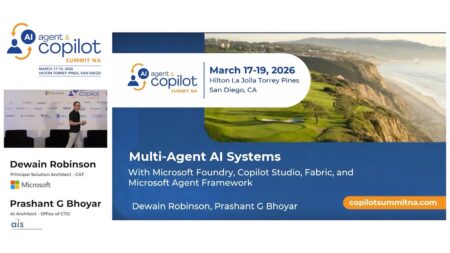
This session explains how multi‑agent AI systems are becoming the new apps, showing what agents are, how to evaluate ROI, and how to build scalable, enterprise‑ready solutions using Microsoft’s AI platform.
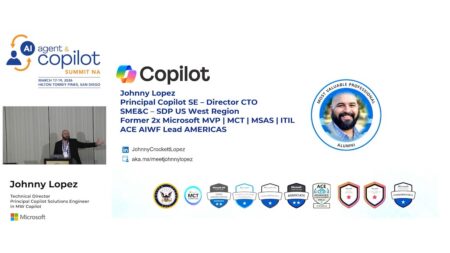
This session focuses on how to operationalize Copilot Studio agents at scale, covering the controls, governance, lifecycle management, and telemetry needed to run secure, production‑ready, multi‑agent programs.
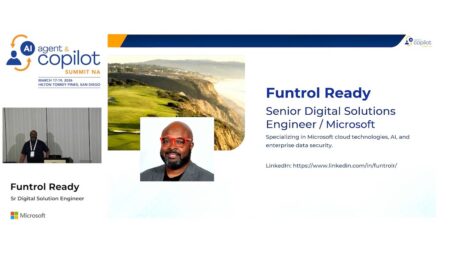
This session shows how Microsoft 365 Copilot and agents stay secure and compliant while enabling fast, responsible AI adoption.
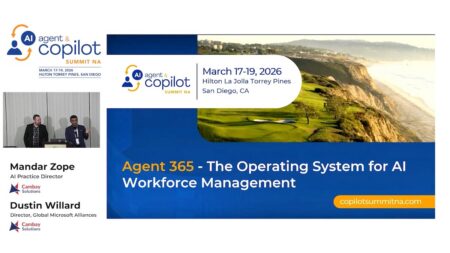
This session covers the five pillars of Agent 365 — Registry, Access Control, Visualization, Interoperability, and Security — with real-world Fortune 500 deployment examples.
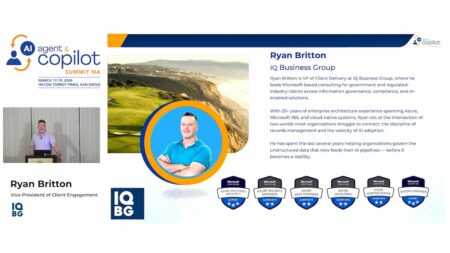
This session outlines emerging best practices for securely governing unstructured data in AI systems, showing how identity, permissions, metadata, and retention work together to enable compliant, controlled retrieval.
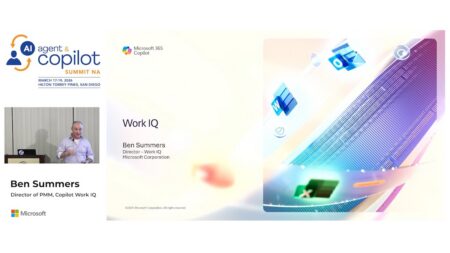
This session explores Work IQ, focusing on its architecture, security and privacy design, and built‑in governance capabilities.

Gaylord Opryland Resort
Nashville, TN
October 11–15, 2026
The largest independent Microsoft AI & Business Applications User Conference on the planet. Four days of big ideas, education, training, networking and more to define your relevance in the AI era. Register Now
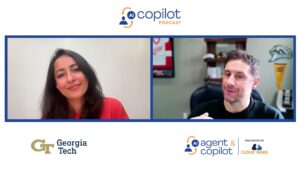
AI Agent & Copilot Podcast: Georgia Tech Researcher Nandita Puri Explains the Future of AI-Generated Therapeutics
Giuseppe Ianni and Nandita Puri discuss how AI is helping connect fragmented biomedical research, reducing years of literature review into months of analysis and creating