

Plugin for popular coding platforms injects the ‘skills’ needed to deliver agentic automation without deep knowledge of an organization’s Dataverse environment.
Plugin for popular coding platforms injects the ‘skills’ needed to deliver agentic automation without deep knowledge of an organization’s Dataverse environment.

AI initiatives will fall for those companies that focus on the model and interface without building a solid underlying foundation to drive tangible business value.

When you combine Nemo Claw with DGX Spark, you can experiment with autonomous agents locally, avoiding high API bills and maintaining privacy and control.
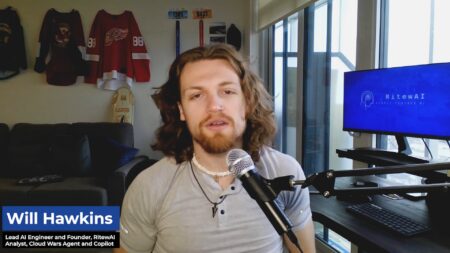
If the new model of one manager for every 50 engineers at Meta is successful, it could reshape how AI teams are structured across the industry.

The future — where users can describe outcomes in English and use AI to bridge intent and execution — isn’t limited to one AI tool. The real win comes when you use the right tool for the right work.
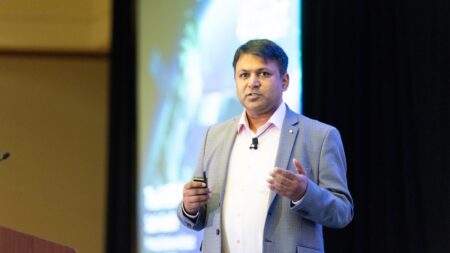
This session covers how AI agents turn ERP into a system of action, connecting data, decisions, and workflows to execute business processes at scale.
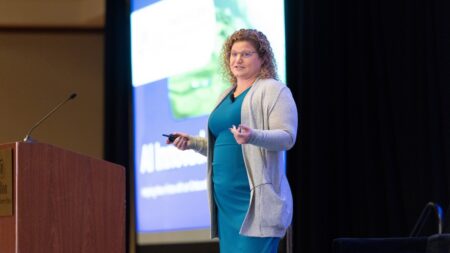
This Innovation Burst session breaks down core Copilot Studio components for building custom agents, designing conversation flows, and data integration strategies.
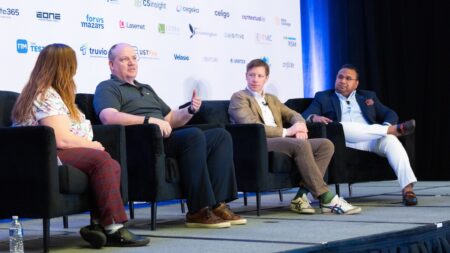
Learn from this panel about how to apply frameworks to make smarter, intentional decisions pertaining to AI adoption.
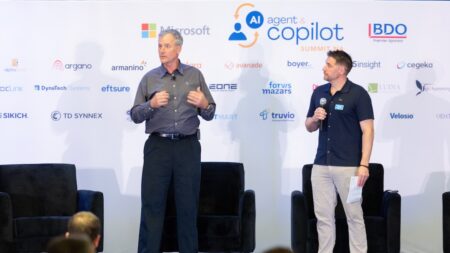
Gain insights from Altman Plants on how aligning processes, data, and AI at massive scale can reduce waste, increase sell‑through, and turn operational complexity into a competitive advantage.
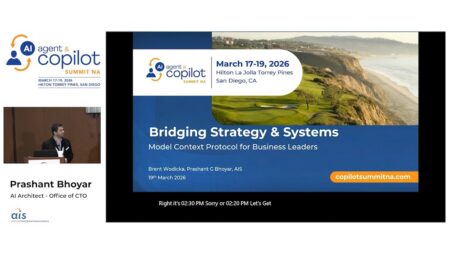
This session shows how the Model Context Protocol streamlines AI adoption while strengthening data‑driven decisions, security, and compliance.

Learn how readiness gaps, strong governance, and organizational trust determine successful Copilot and AI adoption in this session on responsible AI.
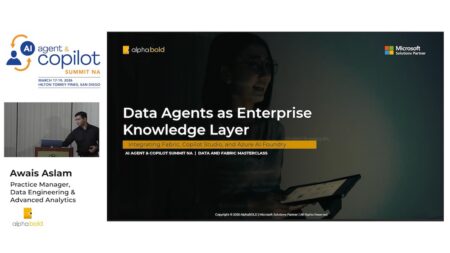
Gain insights from this demonstration on enterprise integration patterns, architectural design principles, and production strategies for data agent systems.
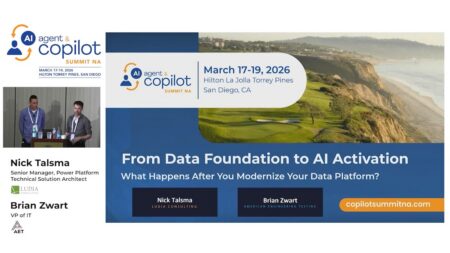
Through a customer-partner discussion, this session provides an honest look at an early-stage modernization and implementation journey.
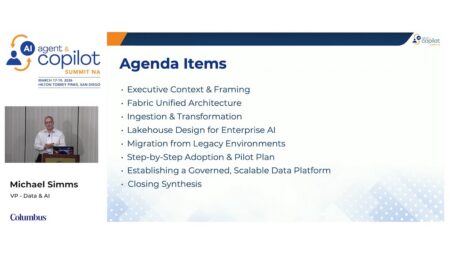
Want to understand how to use Microsoft Fabric as the foundation for AI, analytics, and automation? Dive into the practical, hands-on guide in this session.
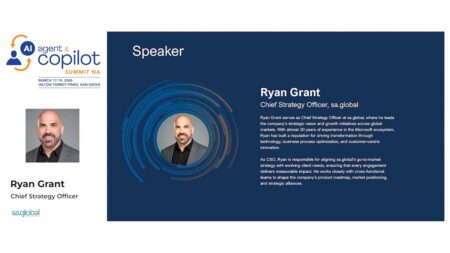
sa.global defines why combining Ai with deep industry expertise is the trigger for rewiring operations, decisions, and outcomes for businesses.

Celigo explains how it helps organizations close the Operational AI Gap through embedding AI into integrations and business processes.
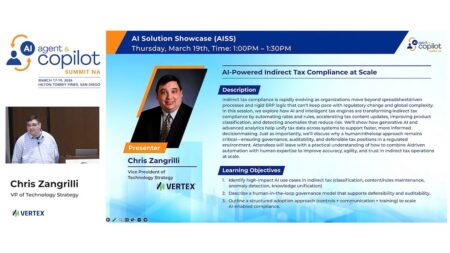
Vertex explores how AI and intelligent tax engines are transforming indirect tax compliance and how generative AI can help unify tax data across systems.
AI is evolving from a feature to a living, breathing ecosystem of workflows. That’s prompting customers to shift from experimenting to re-platforming.

The Microsoft ecosystem is designed to scale in layers, so users should start with productivity, move into automation, and then expand into enterprise agents and intelligence. Understanding this progression will yield better, faster outcomes.
The Data and Fabric masterclass will deliver a practical roadmap for building a secure, AI-ready data foundation.