

On the strength of customer design partnerships and an expansive ecosystem, Google Cloud delivers AI platforms that could unlock AI innovation in support of vertical use cases.
On the strength of customer design partnerships and an expansive ecosystem, Google Cloud delivers AI platforms that could unlock AI innovation in support of vertical use cases.

AI monetization is moving upstream as rising agentic development costs push Microsoft and other vendors to charge builders for creating, testing, and executing AI-powered products.

AI tokens are getting dramatically cheaper, but agentic reasoning is consuming far more of them, creating a surprising new challenge for enterprise AI economics.
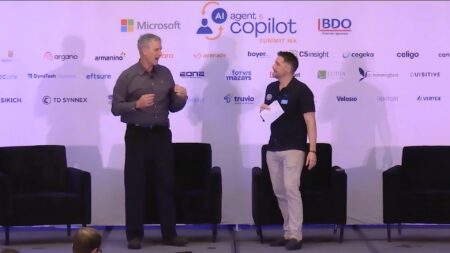
Altman Plants is aligning AI, analytics, and custom software development with clear business objectives to improve outcomes and scale technology-driven innovation.

New features enhance positioning of Teams as a platform to support humans, agents working together to accelerate GitHub-powered dev projects.

Microsoft’s latest Copilot Studio release — including the GitHub Copilot Harness — is more of an upgrade to the engine room of enterprise agents than a simple feature update.
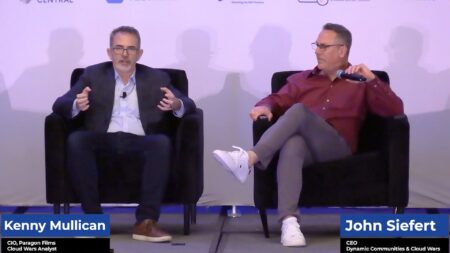
Kenny Mullican, CIO of Paragon Films, explains how AI is helping IT move beyond cost containment to partner with sales and marketing on new opportunities for revenue growth.

After proving its custom silicon strategy with Maia 200, Microsoft is preparing a much larger Maia 300 push designed to support both AI training and inference.
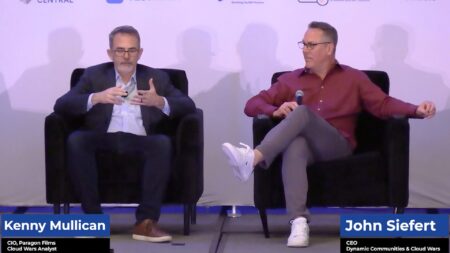
Kenny Mullican, CIO of Paragon Films, explains how predictive AI is helping the manufacturer anticipate equipment failures and quality issues before they disrupt production.

Consolidated AI chatbots raise order values up to 26% at Albertsons, while WalMart’s in-store AI use requires employees to further train AI models with business context.

Gmail, Calendar, and Drive users can now access data and perform tasks directly from their Claude conversations, accelerating integration of AI tools and productivity tools.

Microsoft’s Copilot Acceleration Team provides a rich, open-source repository of pre-written skills for specific tasks. Users need to exercise caution because they’re not supported product features.
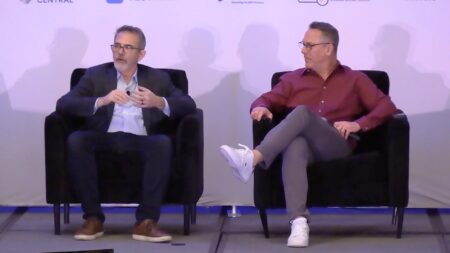
AI is helping Paragon Films tackle projects that once seemed out of reach, enabling its lean IT team to move from months-long timelines to rapid experimentation and iteration.

Skill Recorder creates a foundation for AI to understand workflows, recommend improvements, and ultimately automate workflows, for on-demand or scheduled use cases.

Identity management, data loss prevention tools work together to ensure every AI agent action can be traced to the entity that triggered it for accountability.

Microsoft Research and Paige’s PRISM 2 combines nearly 2.5 million pathology images with clinical language, creating a versatile AI model for cancer detection, biomarker prediction, and research.

Agentic reasoning loops promise better AI answers, but could dramatically increase token consumption and costs as enterprise adoption grows.
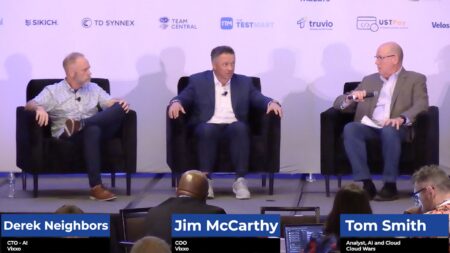
Learn how Vixxo is embedding AI agents across facilities management to automate operations, empower employees, and move toward a human-orchestrated business model.
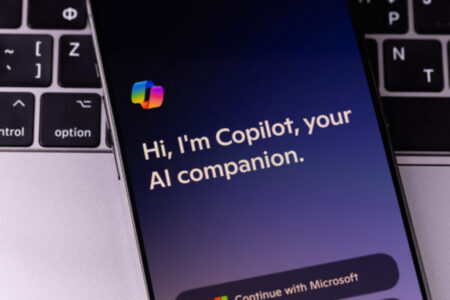
Microsoft CEO Satya Nadella has confirmed plans for a Copilot super app that will unite chat, coding, Cowork and autonomous AI agents, creating a single flagship experience spanning both Microsoft’s consumer and commercial AI offerings.
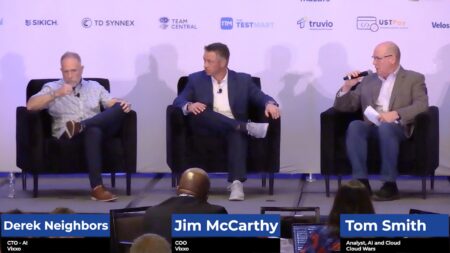
See how Vixxo views AI agents as the next enterprise operating model, enabling every business function to automate work and shift employees into orchestration roles.