
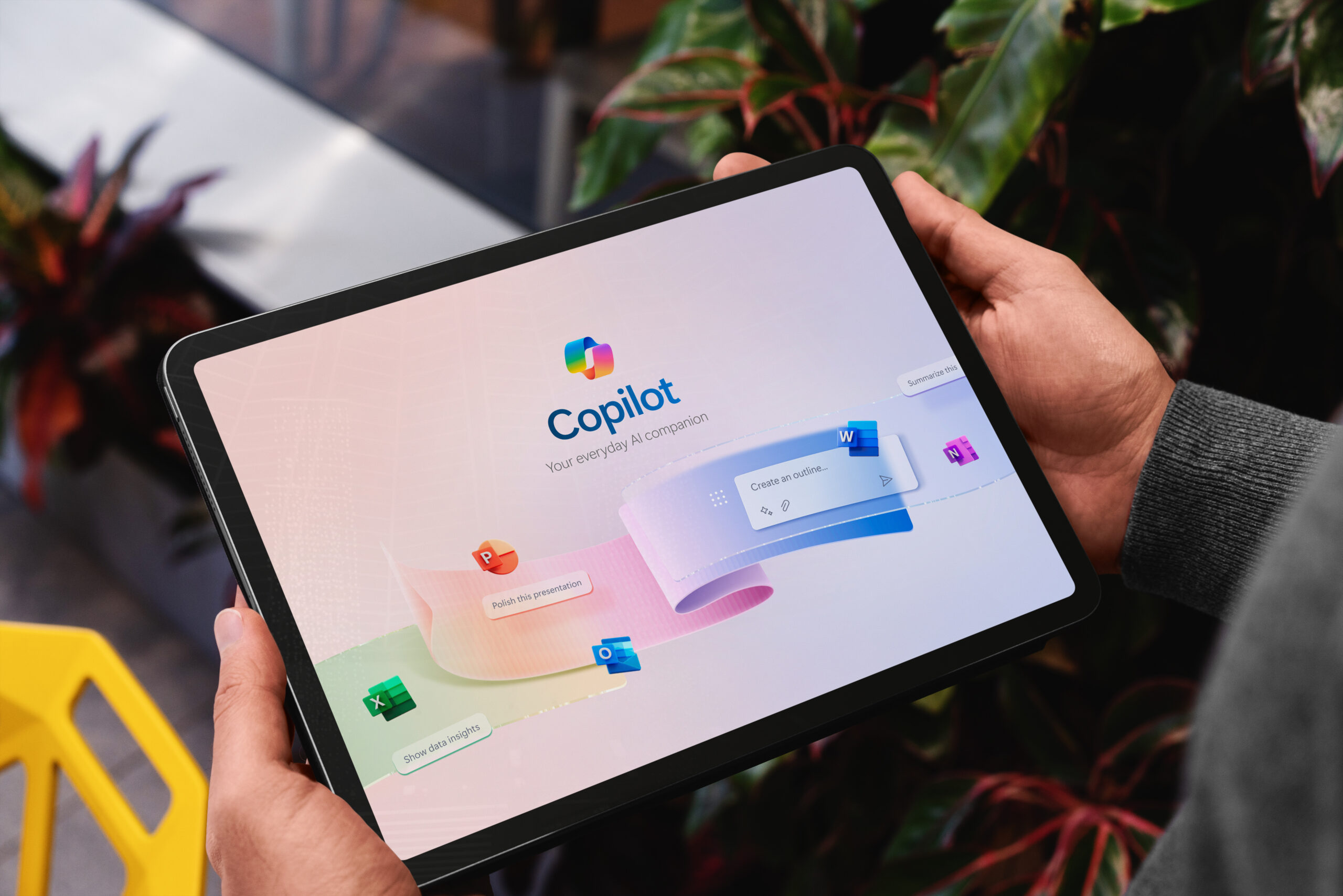

Copilot Managed Runtime, which hosts applications in a company’s Microsoft 365 environment under IT governance, is now available, and Microsoft detailed new features including support for Microsoft Fabric for app storage.
Copilot Managed Runtime provides Microsoft-managed hosting and execution – including identity management, governed data access, and app lifecycle management — for apps developed in Copilot Code, Copilot Cowork, Copilot Studio, GitHub Copilot, VS Code or third-party development platforms.
Copilot Managed Runtime eliminates the need for customers to configure cloud services. Sign-in and sharing are managed by Entra identity management. Governance controls exist in the platform to allow IT to scale development and operations with strong governance.
Fabric Integration, Local Development Option
Microsoft has added Fabric integration, which creates a pre-built option for persistent storage of applications and business records. Copilot Managed Runtime previously offered integration with SharePoint and Dataverse. Teams can choose the widely used Fabric data layer when an app requires it, alongside the hosting and execution provided by Copilot Managed Runtime. Fabric integration is in Frontier public preview.
Another new feature: Dev Tooling in Copilot Managed Runtime, which allows users to build custom Copilot Studio agents and workflows locally, make modifications with their development tool of choice, and then publish to Copilot Studio using the Command Line Interface, or CLI.
Dev Tooling enables developers using Copilot Studio to easily work with other members of their team, some who may be using the browser based UX or those working locally on their system. Developers can continue using their developer tools and pushing changes directly from their machine, working together on a single source of truth integrated into their existing version control platforms such as GitHub. Dev Tooling is in public preview.
Finally, the company detailed Code Agents which are created and hosted on Copilot Managed Runtime, with the flexibility to choose the AI model, orchestrator, or harness. This is a solid option for developers who want to author an agent directly in code, letting teams reuse the AI stack, developer tools, and workflows they already have. Code agents are in early-access preview.

Tom Smith
Analyst
Cloud Wars, Agent and Copilot

Related Posts