
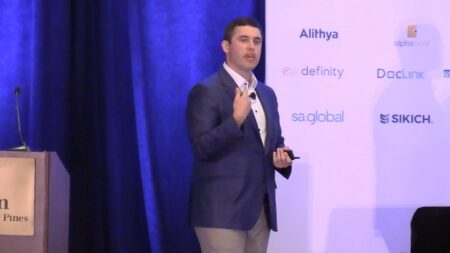
James Oleinik explains how Microsoft Entra and Purview provide identity, observability, and centralized governance for managing enterprise AI agents at scale.
James Oleinik explains how Microsoft Entra and Purview provide identity, observability, and centralized governance for managing enterprise AI agents at scale.
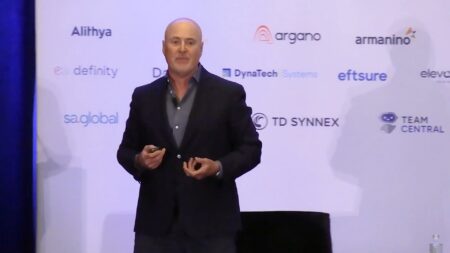
Christopher Lochhead explains why AI is making knowledge and execution less valuable while elevating human judgment, taste, creativity, and category creation.
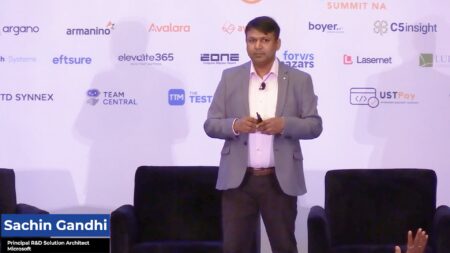
Sachin Gandhi explains how MCP gives AI agents the tools needed to move from conversation to real enterprise execution.
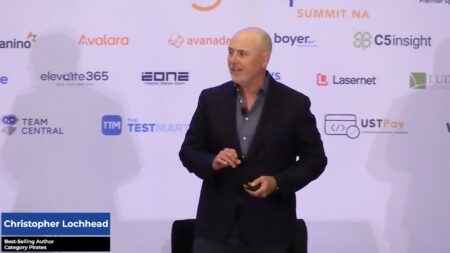
Christopher Lochhead explains how AI is making knowledge and execution increasingly free, shifting competitive advantage to agent-driven systems.
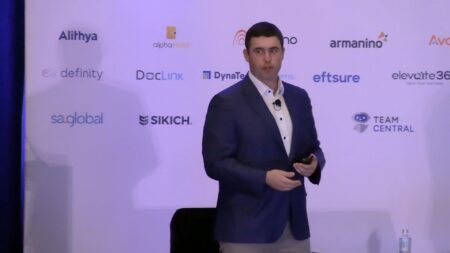
Agent 365 introduces a unified control plane for managing enterprise AI agents, giving IT leaders centralized visibility, governance, security guardrails, and observability across the agentic workplace.
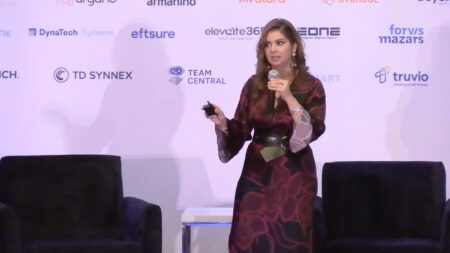
Dona Sarkar explains why coding agents succeed first in AI adoption thanks to structured data, clear validation, and measurable outcomes.
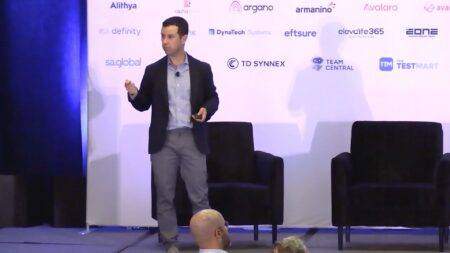
Thales explains how organizations can use AI-driven competitive intelligence to identify market weaknesses, exploit operational gaps, and respond faster than competitors.

James Oleinik explains how Work IQ powers Copilot with real-time enterprise context, turning AI into an intelligent execution layer for work.
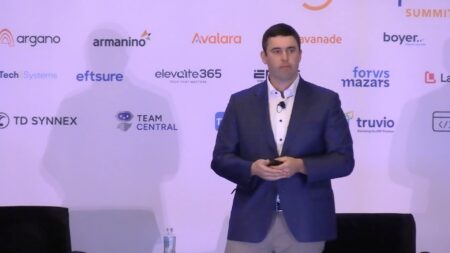
James Oleinik explains how Agent 365 provides the visibility, governance, and security foundation needed to manage AI agents across the enterprise.
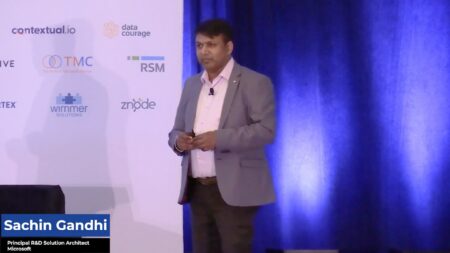
Sachin Gandhi explains how AI agents are transforming supply chains by autonomously planning and executing logistics operations.
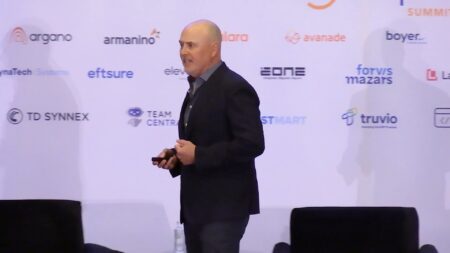
Christopher Lochhead explains how AI is accelerating category-level shifts that create entirely new kinds of jobs while rapidly reshaping the future of work.
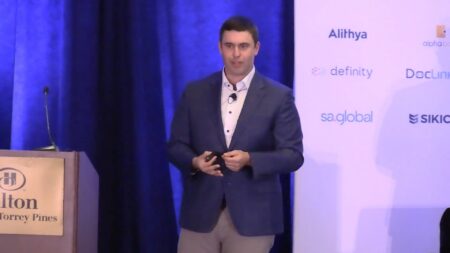
James Oleinik explains how Microsoft’s agentic system of work positions Copilot as the central interface while autonomous AI agents execute enterprise workflows at scale.

AI agents are driving a shift from product-focused organizations to autonomous, end-to-end process excellence across the enterprise.
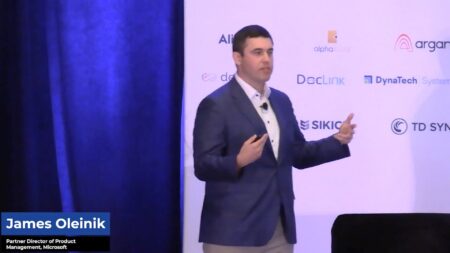
Microsoft’s James Oleinik explains how enterprise software is shifting from app-centric workflows to AI agent-driven systems where intent replaces manual navigation.
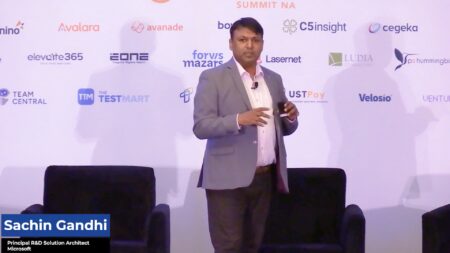
Sachin Gandhi explains how Copilot is evolving into the enterprise interface, enabling agentic workflows that automate processes and turn business data into real-time knowledge.
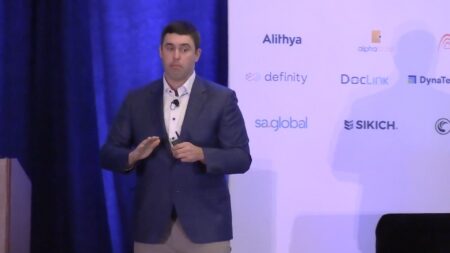
Microsoft’s James Oleinik explains how enterprise AI is shifting from a human-driven assistant to systems that independently execute work on behalf of users.

Microsoft’s Dona Sarkar compares today’s AI moment to the early mobile phone era, arguing that even limited capabilities signal a transformational shift toward greater freedom and mobility through AI.

Dona Sarkar explains how the shift from generative AI to agentic AI is redefining enterprise systems through self-correcting, multi-agent collaboration.
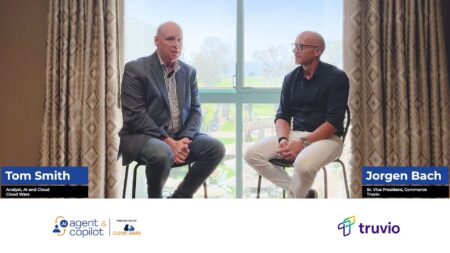
At the AI Agent & Copilot Summit, Truvio’s Jorgen Bach explains how unified platforms and AI agents are helping enterprises close the ERP value gap and operationalize AI adoption.
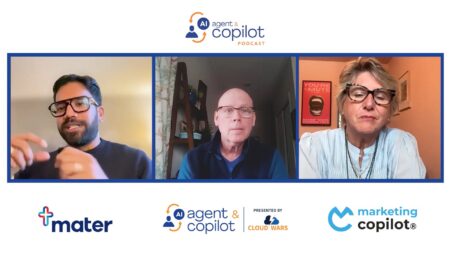
In their highlights from AI Agent and Copilot Summit, Ronak Mathur and Marie Wiese note the importance of ongoing human involvement, as well as the opportunity for partners to provide licensing guidance while building trust.