

Microsoft Research and Paige’s PRISM 2 combines nearly 2.5 million pathology images with clinical language, creating a versatile AI model for cancer detection, biomarker prediction, and research.
Microsoft Research and Paige’s PRISM 2 combines nearly 2.5 million pathology images with clinical language, creating a versatile AI model for cancer detection, biomarker prediction, and research.
Microsoft CEO Satya Nadella has confirmed plans for a Copilot super app that will unite chat, coding, Cowork and autonomous AI agents, creating a single flagship experience spanning both Microsoft’s consumer and commercial AI offerings.

AI vendors are increasingly turning to forward deployment engineers as enterprises struggle to move AI pilots into production and consumption-based models grow.

Project Perception represents Microsoft’s push beyond reactive cybersecurity, coordinating red, blue, and green AI agents in a closed-loop system designed to continuously identify vulnerabilities, assess risks, implement fixes, and strengthen enterprise defenses.
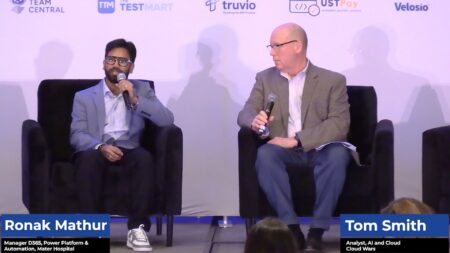
Learn how Mater Hospital is building on years of automation to use AI and intelligent workflows that improve every stage of the patient journey, from scheduling through discharge.

AI agents are beginning to outpace Copilot licenses, signaling that organizations are creating increasingly valuable custom automation across the Microsoft ecosystem.

Microsoft and more than 20 tech companies urge U.S. lawmakers to protect open-weight AI models, arguing openness drives innovation and competition.

Developers now have three harnesses to choose from, selecting the best option and model for the required tasks while also factoring in cost considerations.

Nadella believes enterprises should have the freedom to choose AI providers, privately train models, manage costs, and retain complete control over their accumulated organizational intelligence.

Businesses can unlock greater AI value by understanding when to use chat assistants, coding agents, co-work agents, or custom workflows.

OpenAI’s GPT-5.6 is now the preferred model for Microsoft 365 Copilot, highlighting how AI efficiency is becoming a critical competitive advantage.
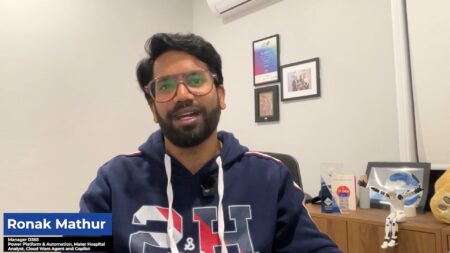
Certification paths combined with AI platform-wide bet on governance steer customers to adopt existing frameworks and avoid creating technical debt.
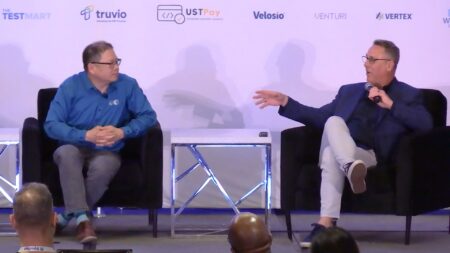
John Siefert and David Chao explain why enterprise AI adoption succeeds through small wins, strong governance, and continuous expansion rather than large-scale transformation projects.
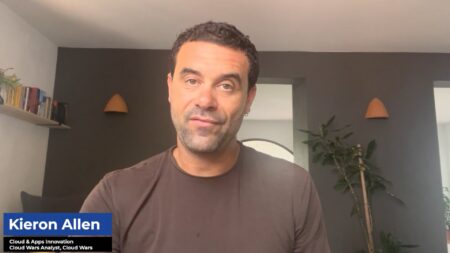
Microsoft says AI sovereignty is about maintaining national control while embracing the world’s best AI technologies, rather than isolating countries from global innovation.
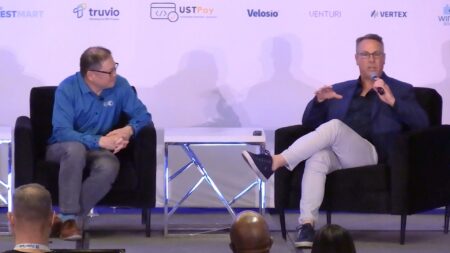
John Siefert argues that in the AI era, competitive advantage comes from being different rather than simply being better, as agents increasingly automate execution.
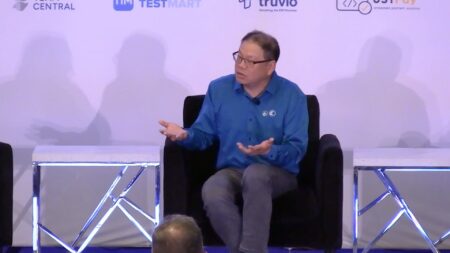
David Chao explains why AI partners must differentiate through expertise, practical business value, and collaboration rather than simply reselling technology.

Customers will be able to capitalize on data from ZoomInfo, Dun & Bradstreet, Gong, and others in the flow of their Dynamics 365 sales processes.
Upgrades include automatically created documents and files, as well as interactive reports. Approvals and other repeatable work can be handled through automation.

Microsoft’s latest education findings reveal that AI access is no longer the hurdle—effective implementation and structured training are.
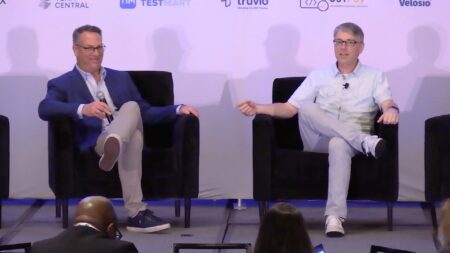
In a fireside chat with John Siefert, Dewain Robinson explains how reasoning models are transforming Copilot Studio into an intelligent orchestration platform for enterprise AI.